
Understanding the Gulf of Mexico Dead Zone

Updated: Dec 12, 2024
The Gulf of Mexico Dead Zone is a stark reminder of the environmental consequences of human activity. This vast, oxygen-depleted region forms each summer, making it nearly impossible for many marine species to survive. Let’s dive into what causes this phenomenon and why it matters.

What is the Dead Zone?
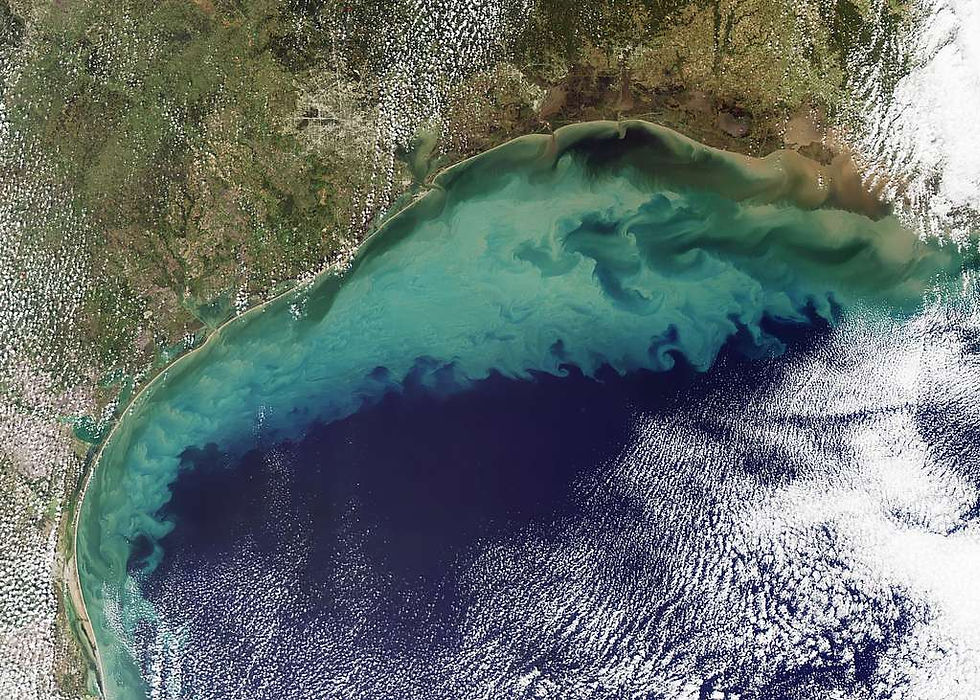
The Dead Zone is a hypoxic area—where oxygen levels are too low to support most marine life. It primarily affects fish, shellfish, and other ocean-dwelling organisms that rely on oxygen-rich waters. Stretching across thousands of square miles, this zone disrupts ecosystems and impacts industries like commercial fishing.
How Does It Form?
Nutrient Runoff
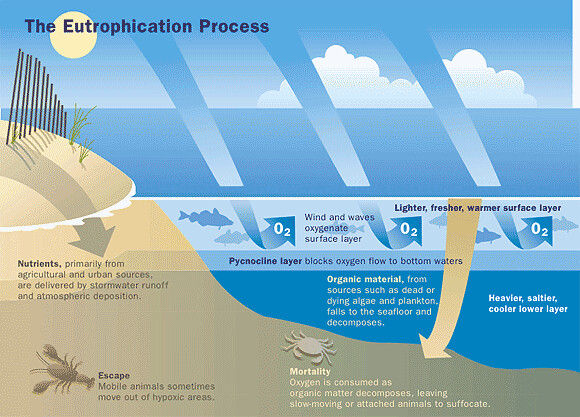
Nutrients like nitrogen and phosphorus, primarily from agricultural fertilizers, urban runoff, and industrial waste, are washed into the Mississippi River during rainfall. The river carries these pollutants into the Gulf of Mexico.
Algal Blooms
Once in the Gulf, these nutrients act as fertilizers for algae, causing rapid overgrowth in a process called eutrophication. Massive algal blooms form on the surface of the water, blocking sunlight and disrupting marine habitats.
Decomposition
When algae die, they sink to the ocean floor. Bacteria decompose the organic matter, consuming oxygen in the process. This leads to a drastic reduction in oxygen levels in the water.
Hypoxia
The resulting oxygen-depleted area is inhospitable to marine life, forcing organisms to flee or die. This creates the Dead Zone, a region with devastating ecological consequences.

The Size and Impact of the Dead Zone
The Gulf’s Dead Zone fluctuates in size each year, often spanning between 6,000 and 7,000 square miles—about the size of New Jersey. This has severe impacts:
Ecological Damage: The Dead Zone disrupts food chains and habitats, threatening marine biodiversity.
Economic Losses: With fish and shellfish populations dwindling, the commercial fishing industry suffers, impacting livelihoods and local economies.

Alligator swimming in an algal bloom, Photo by Anish F
What Can Be Done?
Reduce Nutrient Pollution
Efforts to manage nutrient runoff are crucial:
Sustainable Farming: Reduce fertilizer use, plant cover crops, and adopt other practices to minimize runoff.
Wastewater Upgrades: Improve treatment facilities to remove more nitrogen and phosphorus.
Stormwater Management: Use green infrastructure like rain gardens to filter urban runoff.
Collaborative Action
Addressing the Dead Zone requires cooperation among states and industries along the Mississippi River Basin. Programs like the Hypoxia Task Force aim to create unified strategies to tackle nutrient pollution.
Why It Matters
The Gulf of Mexico Dead Zone is one of the largest coastal hypoxic zones in the world and highlights the urgent need for better nutrient management. The health of marine ecosystems, the fishing industry, and regional economies depends on reducing this environmental threat.
By taking action now—through sustainable practices, infrastructure improvements, and collaborative policies—we can work toward a future where the Gulf’s waters remain vibrant and life-sustaining for generations to come.


Comments